Bengaluru-Based GalaxEye Reveals Drishti Gen 2 Optical Payload Mirror with Sixfold Increase in Light-Gathering Area
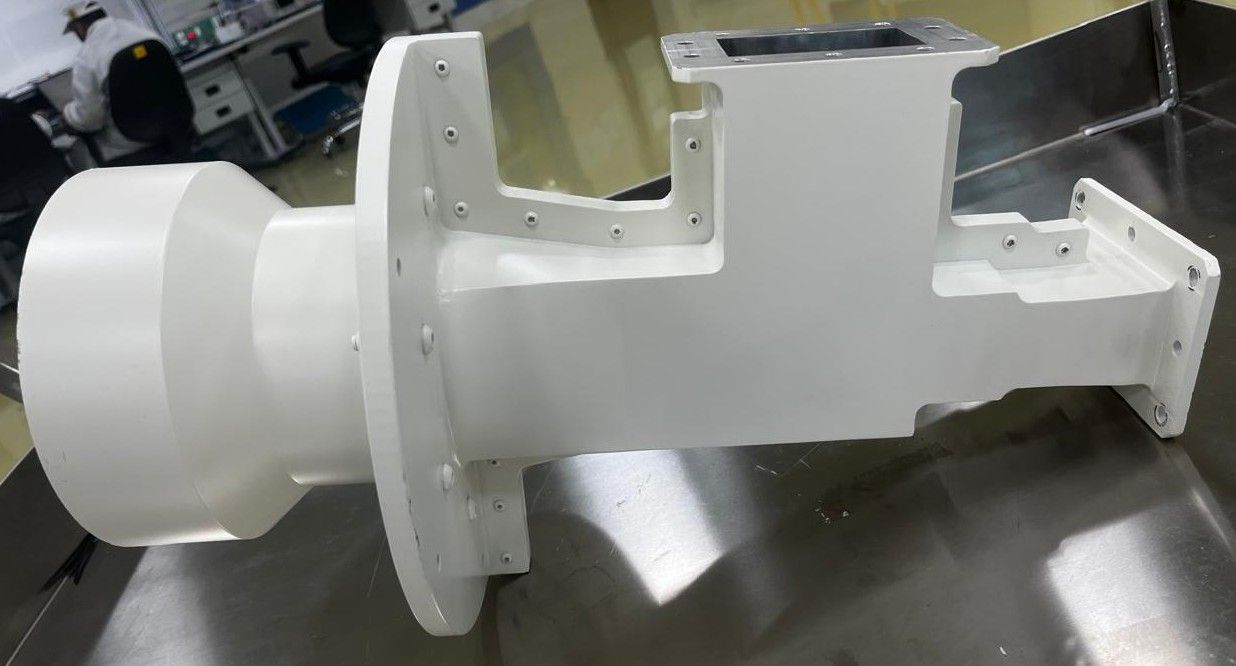
GalaxEye has shared a structural model of the primary mirror for its next-generation Drishti satellite, reporting approximately six times the light-gathering area of its first-generation design.
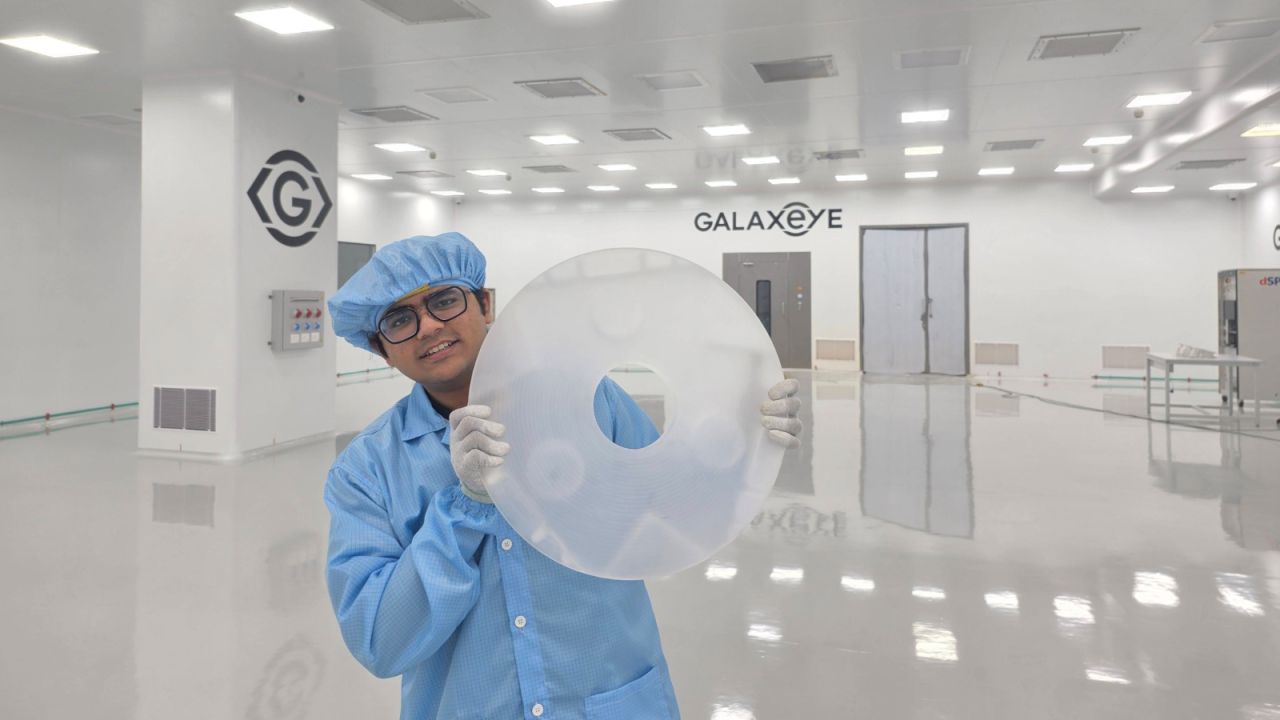
Bengaluru-based space technology company GalaxEye has revealed a structural model of the primary mirror being developed for its next-generation Drishti satellite's optical payload.
The development was shared by GalaxEye co-founder Kishan Thakkar, who highlighted the evolution of the company's optical payload design from its first-generation satellite system.
According to Thakkar, the primary mirror has increased significantly in size compared with the 190 mm mirror used in the first-generation design. The new configuration is expected to provide approximately six times the light-gathering area.
In an optical imaging payload, the primary mirror collects incoming light and directs it toward the remaining optical components and image sensor.
Increasing the collecting area can improve the amount of light available to the imaging system, although actual imaging performance also depends on optical quality, detector characteristics, system geometry, and other design parameters.
Thakkar emphasized the engineering challenges associated with manufacturing and maintaining the accuracy of large optical components.
The mirror surface must meet demanding precision requirements, while the overall structure must withstand launch vibrations and maintain dimensional stability across the thermal conditions encountered in space.
These requirements make optical payload development a multidisciplinary engineering challenge involving precision manufacturing, structural design, thermal engineering, and optical characterization.
GalaxEye's announcement provides an early look at its next-generation satellite hardware. The company has not disclosed complete optical performance specifications or flight qualification results in the shared update.
❤️ Share this news if you are proud to see Bengaluru-based space companies developing increasingly sophisticated satellite payload technologies.